
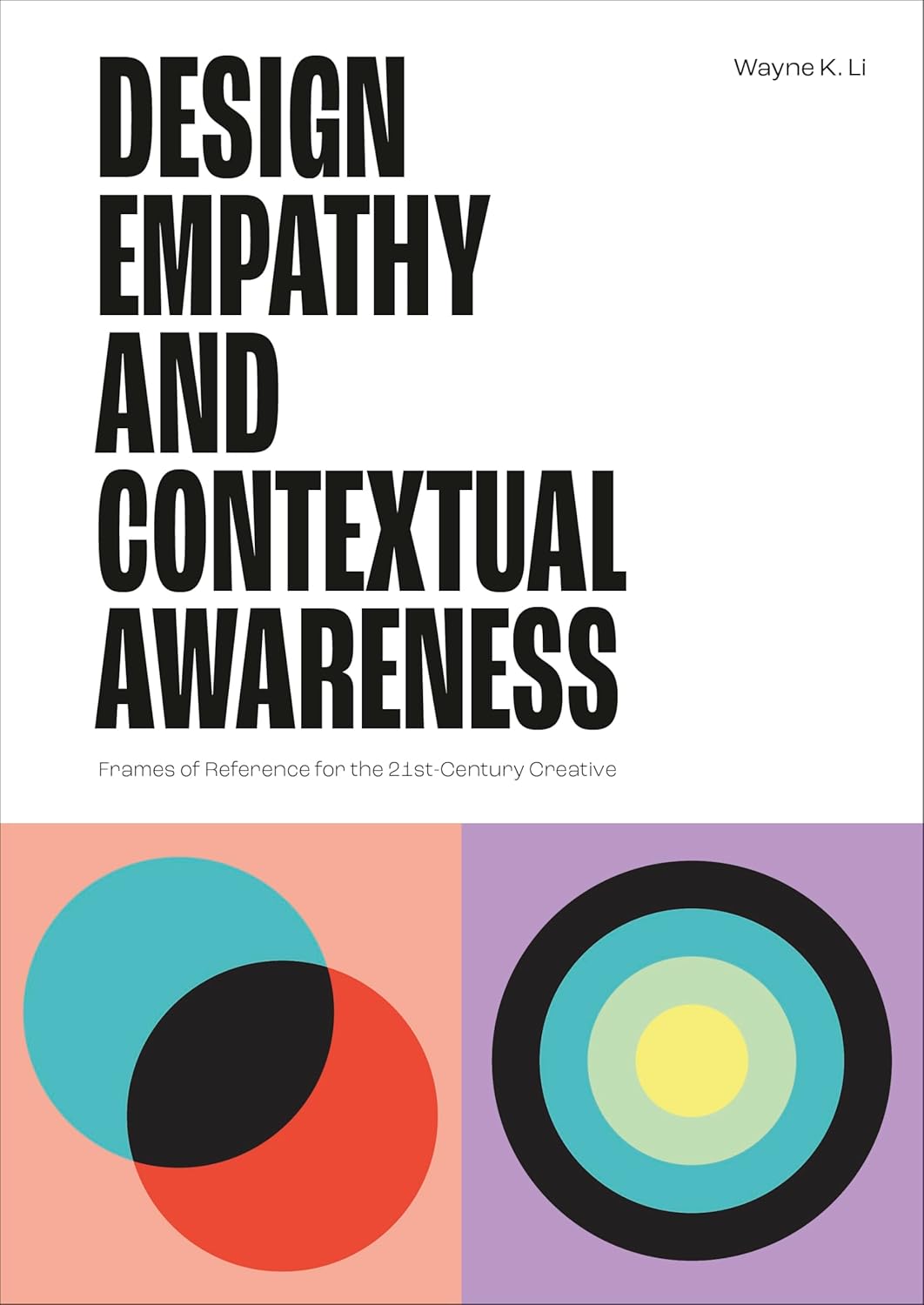
Design Empathy and Contextual Awareness: Frames of Reference for the 21st Century Creative Paperback – September 2, 2025
Product details
| Management number | 228611984 | Release Date | 2026/05/31 | List Price | US$7.60 | Model Number | 228611984 | ||
|---|---|---|---|---|---|---|---|---|---|
| Category | |||||||||
This book captures so many tools that can be used to design well in community. I can't wait to teach with it by my side.- Dr Susie Wise, author of Design for Belonging: How to Build Inclusion and Collaboration in Your CommunitiesTitle: Design Empathy and Contextual Awareness: Frames of Reference for the 21st Century CreativeSubtitle: Master the "Fuzzy Front End" of Design Human‑Centered Skills That Drive Market Adoption, Innovation, and Social Impact Master Human‑Centered Design, Emotional Design, and Contextual Awareness. TheSkills That Drive Market Adoption, Innovation and Positive Social Impact One of the biggest challenges facing designers today is not simply creating a beautifulproduct or service. The real challenge is arriving at a solution that truly resonates with atarget audience, a solution that has a high chance of market adoption while avoidingnegative impacts on society or the environment. How do you develop those skills?How do you learn to apply empathy in design before you even sketch a single line?** Design Empathy and Contextual Awareness provides the answer. This accessible,visually engaging book demystifies the "fuzzy front end" of the design process, thatcritical phase where research methods, business trends, and marketing insights blendtogether. It presents design not as a mere trade skill or an exercise in personal creativevision, but as the application of multiple mindsets and practices built around alternatingpoints of view, or "frames." Written by Wayne K. Li a Georgia Tech professor, former IDEO product designer, andinnovation leader at Pottery Barn and Ford, this book gives students and youngprofessionals a repeatable framework for designing with design empathy, contextualawareness, and real‑world impact. What You Will LearnThis book breaks down complex design behaviors into clear, actionable chapters:Laying a Foundation - Design as a whole‑brain activityDesign Behaviors - Design as a whole‑life activityEmpathy - Cognitive empathy, emotional empathy and compassionate concernContextual Awareness - Cultivating your designer's "sixth sense" Through real‑life business examples, applicable templates and practical exercises, youwill learn how to:Apply human‑centered design principles to both physical products and digital servicesDifferentiate between cognitive vs emotional empathy and use each at the right momentBuild user psychology in design to anticipate needs, market shifts and unintended consequencesUse framing and reframing techniques to uncover hidden opportunities a core design thinking skillAvoid costly blind spots in product design innovation and industrial design thinkingIntegrate sustainable and ethical design practices into every projectDevelop emotional design strategies that create lasting brand experienceNavigate the AI and human judgment balance, preserving human centered AI design in an age of automationPractice inclusive design and accessible design as a global mandate, not an afterthoughtApply design empathy strategies to service design, UX and product development Why This Book Is DifferentMost design books focus on outputs: wireframes, prototypes, renderings.This book focuses on inputs how you think, observe, feel, and adapt. It teaches you howto use empathy in design as a repeatable skill, not just a vague ideal. You will also learn contextual awareness in UX and beyond what the author calls your"designer's sixth sense." This is the ability to read a room, understand unspoken userneeds, and adapt your design process on the fly. The book includes downloadable templates and real‑world case studies from productdesign empathy strategies in action. No abstract theory. Just practical tools you canapply today. Read more
| ISBN10 | 1529438217 |
|---|---|
| ISBN13 | 978-1529438215 |
| Language | English |
| Publisher | Laurence King Publishing |
| Dimensions | 6.69 x 0.59 x 9.45 inches |
| Item Weight | 1.19 pounds |
| Print length | 208 pages |
| Publication date | September 2, 2025 |
Bestseller ranking
Tee Fittings


Customers who viewed this product also viewed
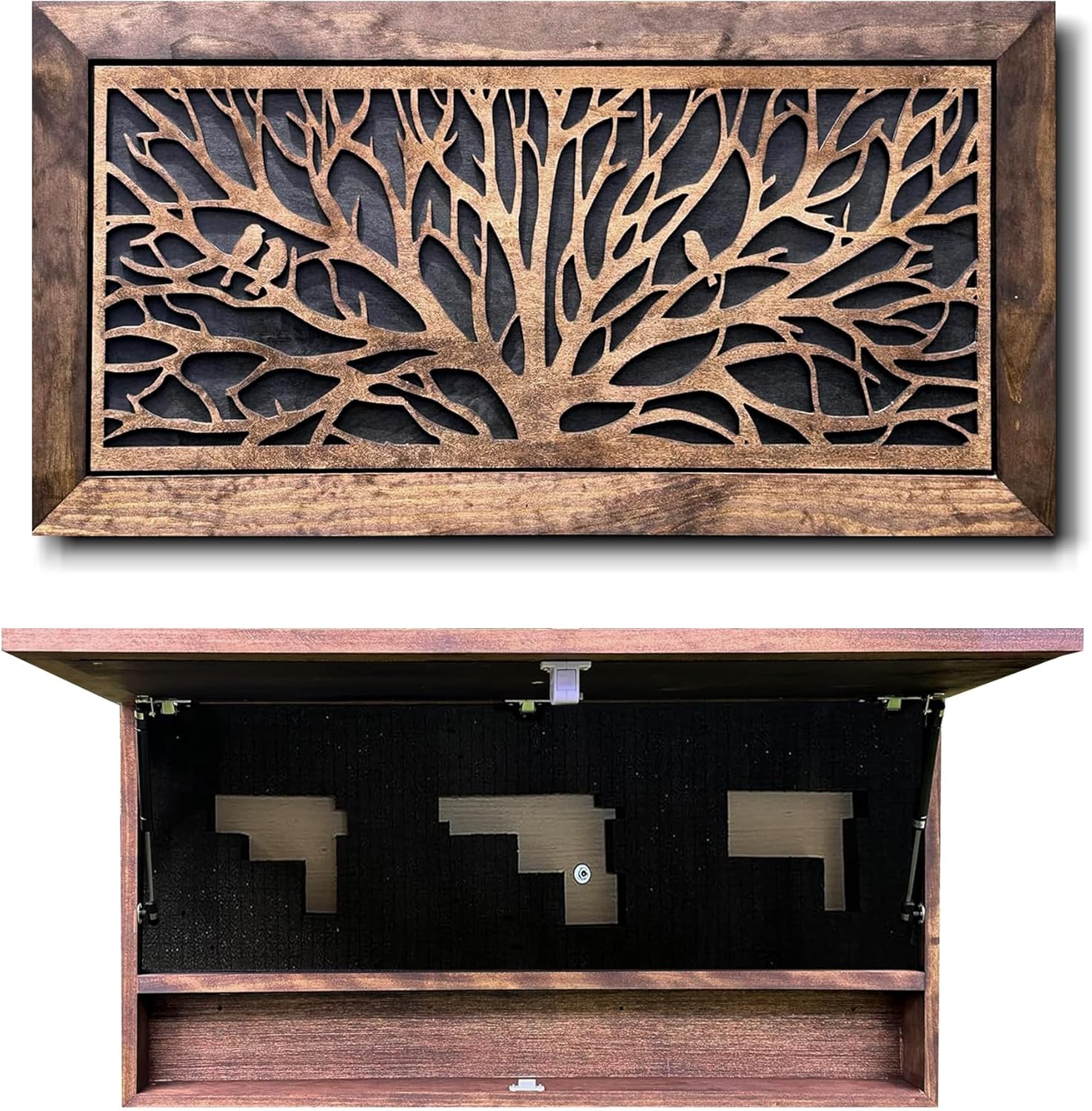
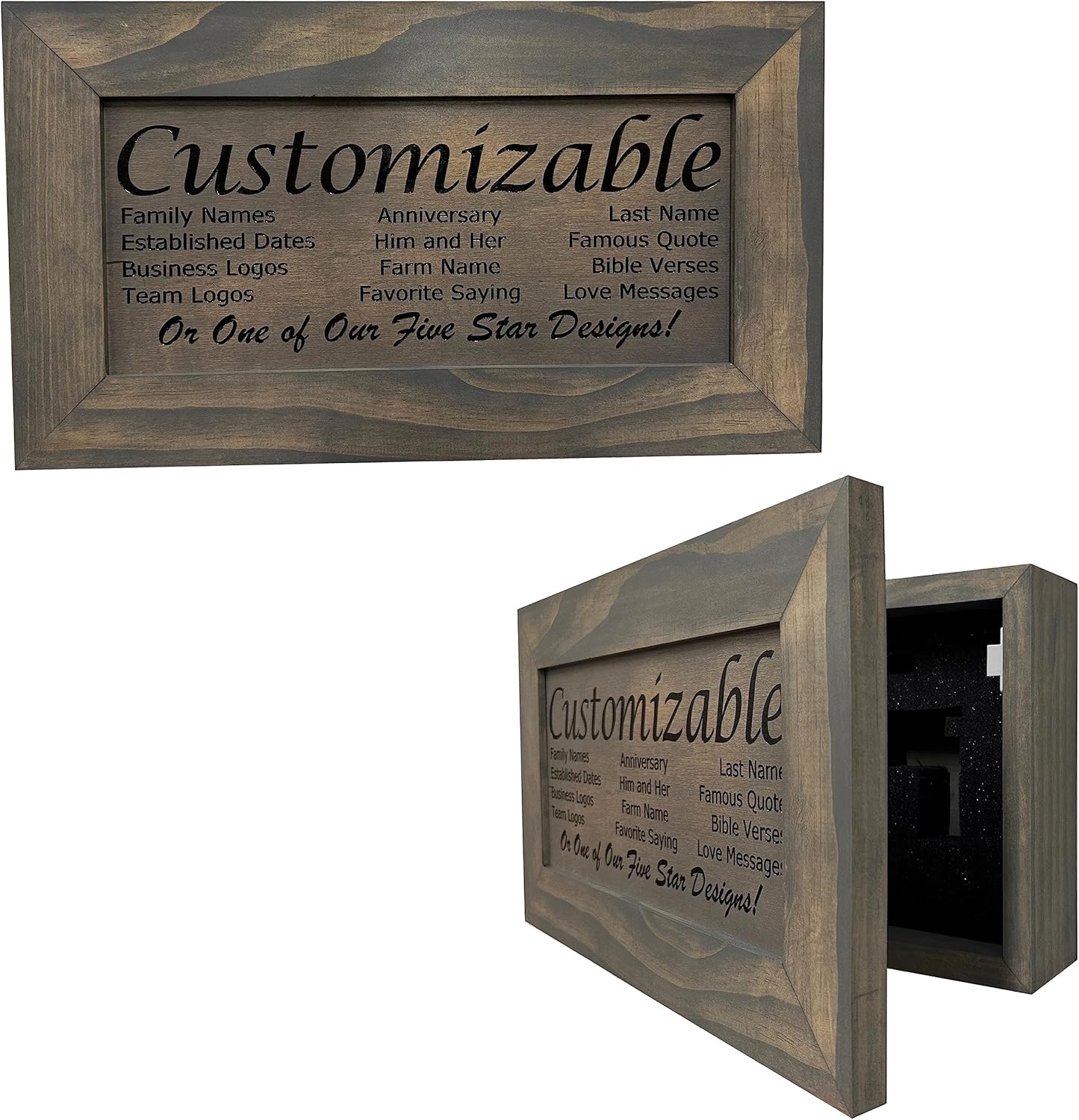
Gun Safes & Cabinets



Correction of product information
If you notice any omissions or errors in the product information on this page, please use the correction request form below.
Correction Request Form